
It’s interesting to me how tech hustlers like Sam Altman have conned several hapless literary figures of some repute into being their patsies.
For instance, esteemed author Stephen Marche, who was recruited by Pushkin Industries owners Jacob Weisberg and Malcolm Gladwell into being a spokesperson for AI chatbot capabilities. I really don’t think Marche knew all he was getting into when he was enlisted to construct, via chatbots, an AI novel, aka bot book. Or the company he would keep. OpenAI CEO Sam Altman has been a seat-of-the-pants player since he dropped out of Stanford University at age 19. I’ve known people like him– one a fast-talking character running a boiler room calling operation outside Philadelphia in a temporary office. Very temporary. The kind of place the crew could pack up and leave with phones and equipment within a day. The goal of the operation: to get the credit card number, the money, no matter what was said to obtain it. The promise was to get people out of their time shares. Orientation: “These people are easy marks– or they wouldn’t have bought the time shares to begin with.” (I left after two days, though I badly needed employment. Of course I was never paid.)
Anyway, OpenAI CEO Sam Altman is that guy, but on a much larger scale. He wants disruption alright: power and money. A lot of it.
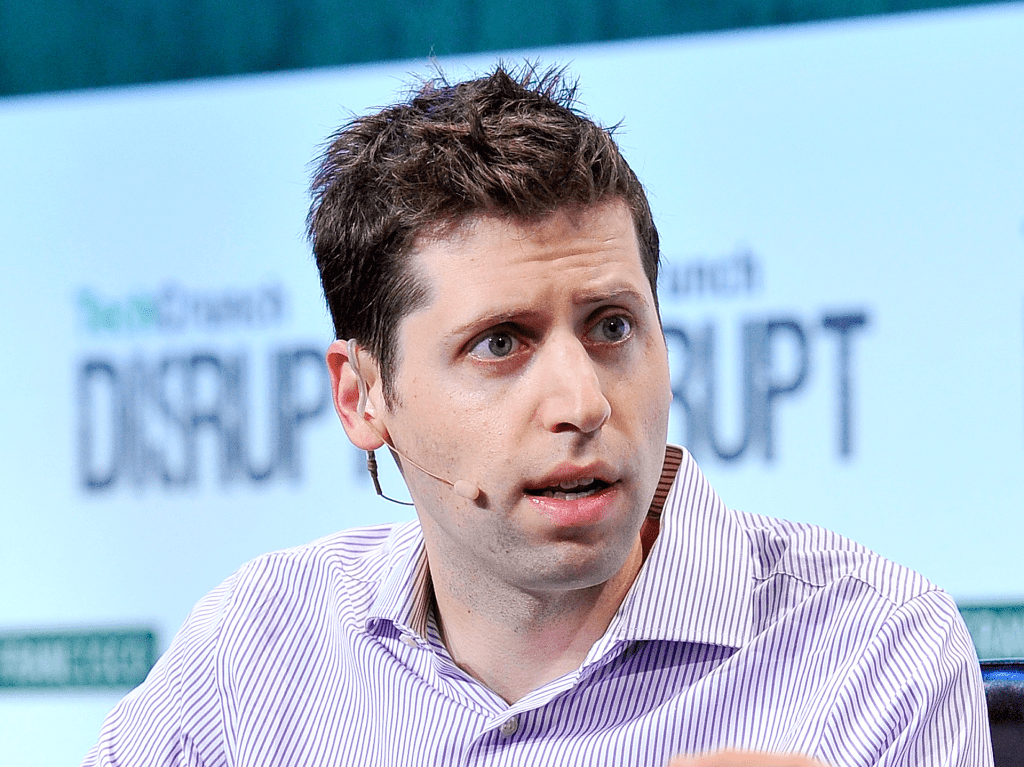
Chatbot purveyors are going to be hit with a lot of lawsuits, because the basis of their operations is stolen material. (See our post “Literary Pirates.”) Now, a billionaire like Altman couldn’t care less about lawsuits, nor about unfavorable news articles. He’s a big-money gambler. Blowback is part of the game. But for patsies like Stephen Marche who thrive on their respectability– or at least the appearance of same– it could turn out to be a very different story.
-K.W.
Discover more from Fast Pop Lit
Subscribe to get the latest posts sent to your email.
