Humans Versus Robots!

(Pictured: Self-portrait by human artist Vincent van Gogh; a shot from the 1927 film Metropolis.)

The Problem with AI-Generated Writing and Art


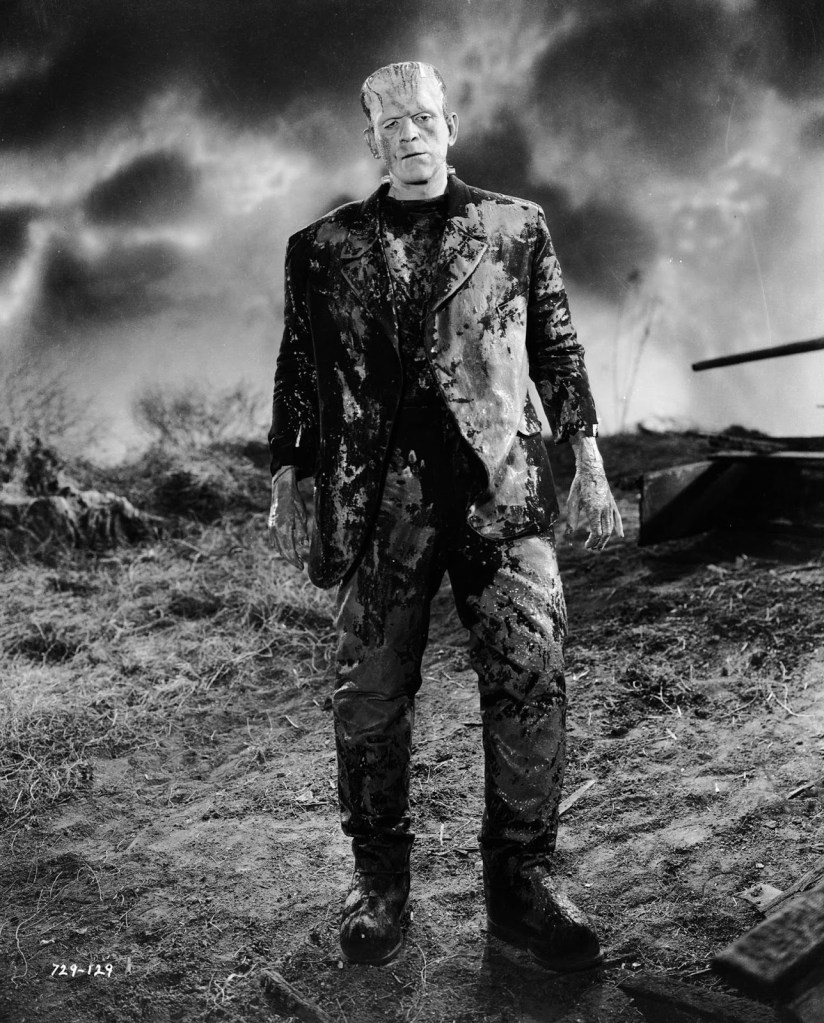
THE PROBLEM with AI-generated writing and art is it’s unnatural and inhuman. It’s a distorted version of human expression which can never be natural because of the way it’s created– akin to Frankenstein’s monster, when the monster’s creator seeks to play god and go beyond the bounds of the naturally possible into some untrod, uncertain, diabolical territory. Hellishness.

Study the ambitious characters pushing the technology and you see the extent to which they wish to bust natural bounds, no matter the consequences, like that character of plays and operas, Faust. They’re ready to make a Faustian deal. Some– like OpenAI CEO Sam Altman who has paid to have his brain uploaded to a computer– have already made the bargain.

THE RESULT for the rest of us is a bombardment of unnatural writing and art. Every bit as fiendish, lost, and rootless as the creature of Mary Shelley’s classic novel, first envisioned by her in a nightmare.


Words of the monster’s creator about what he made:

–a race of devils would be propagated upon the earth, who might make the very existence of the species of man a condition precarious and full of terror. Had I a right, for my own benefit, to inflict this curse upon everlasting generations? . . . I shuddered to think that future ages might curse me as their pest, whose selfishness had not hesitated to buy its own peace at the price perhaps of the existence of the whole human race.

(The novel, incidentally, is a stunning piece of writing, which could never be adequately captured by any film.)

The Save the Writer petition.

The New AI Consumer

Some tech geek out there wannabe startup tech bro is actually selling an AI pen. That’s what he’s advertising it as anyway. I guess it’ll do your handwriting for you, on those rare occasions you need to write anything by hand.

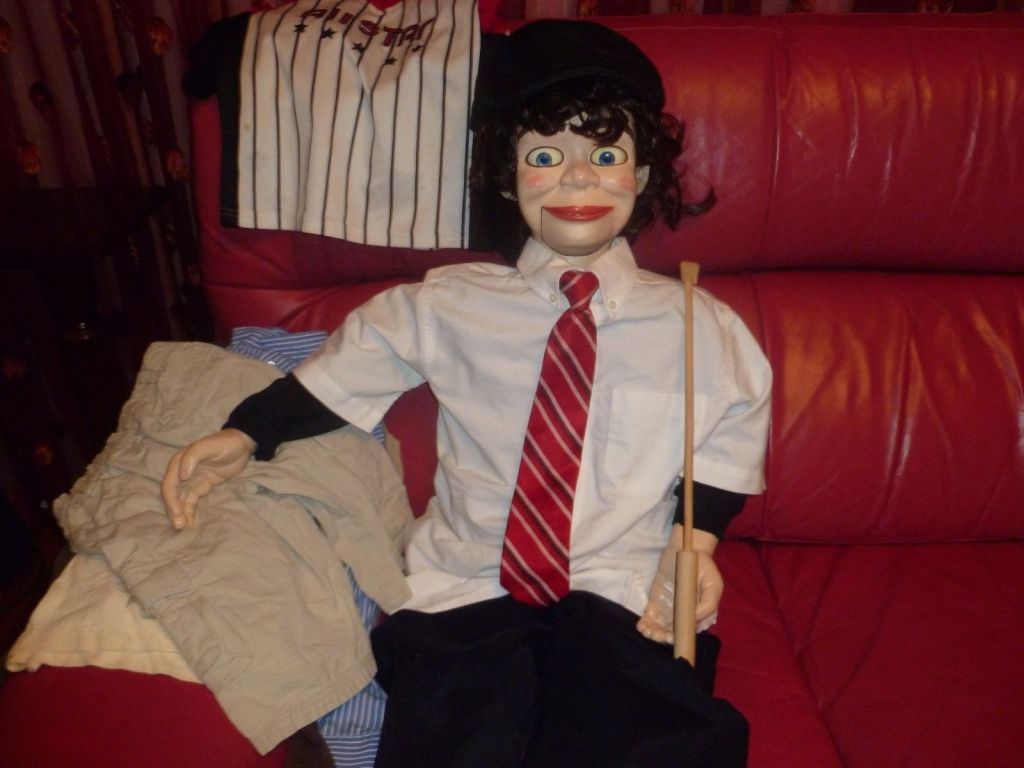
photo of an actual tech geek


Next up: An AI prompter. Having to think about what your AI botbook novel will be about is too mentally stressful. I mean, if the chatbot does all of the writing and most of the thinking for your literary masterpiece, why can’t it do all of it? Makes sense, right? I mean, what are you paying for, or not paying for? You’re using it, aren’t you? Should be enough.

Soon they’ll have AI shopping, done by algorithms. No shopping list required. The bots will know what you need and want. Transport will be provided by AI cars– autonomous, they’re called– which you won’t really need, because everything will be delivered to you by autonomous trucks, manned, I guess, by robots. I’m not making this up. Automakers and tech companies have invested billions in the premise. It’s coming soon. I promise.

When the groceries are delivered, there will be AI stoves to do the cooking for you. And AI dishwashers. Then AI laundry, and AI robots to make your bed and vacuum the carpeting. Modern conveniences, for your own good. So you’ll have more leisure time for, you know. Something. Sitting on the sofa watching television, or smoking pot. Vegging out. Or sleeping. It’s always pleasant to close the blinds on the world and go to sleep. Then in the morning the AI alarm clock will wake you and your coffee will be ready and you’ll be ready for– I don’t know. Another day.

It’s all in the works, believe me.


-KW

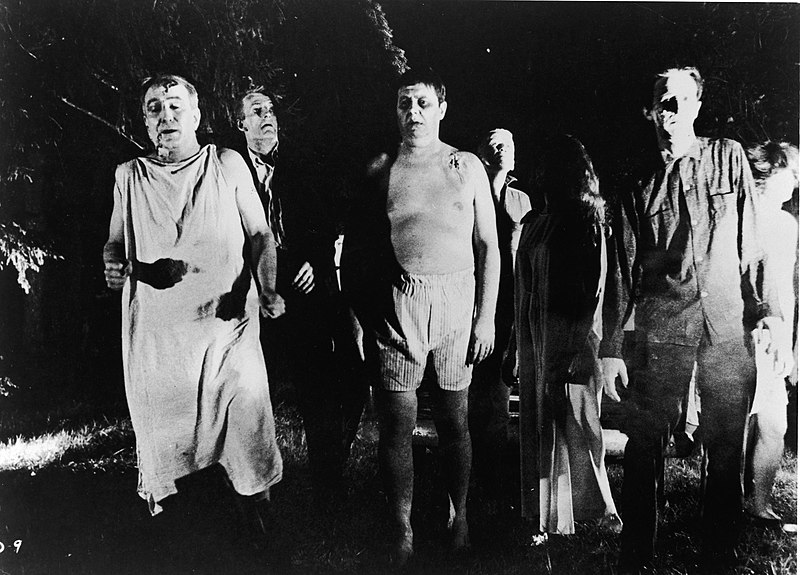
Stop the Tech Zombies!

photo c/o timeinc.net


WHILE we’ve hit our goal of 1,000 with the “Save the Writer!” petition (our initial goal was actually 100), we urge writers, readers, actors, artists, everybody in creative fields– or anyone who simply appreciates human talent– who has not already signed the petition to please do so. All noise made to slow down the tech zombies is good, because they’re appearing everywhere– from gullible wannabe writers and artists to would-be scam artists eager to grab their share of the venture capital big-money pie.

CAN they be slowed down? Or possibly stopped?

I’m not sure. But we need to at least try.

-KW

A May Day Quote


Thomas Berry in The Dream of the Earth, quoted in In the Absence of the Sacred by Jerry Mander, referring to our technological age:

During this period the human mind has been placed within the narrowest confines it has experienced since consciousness emerged from its Paleolithic phase. Even the most primitive tribes have a larger vision of the universe, of our place and functioning within it, a vision that extends to celestial regions of space and to interior depths of the human in a manner far exceeding the parameters of our world of technological confinement.